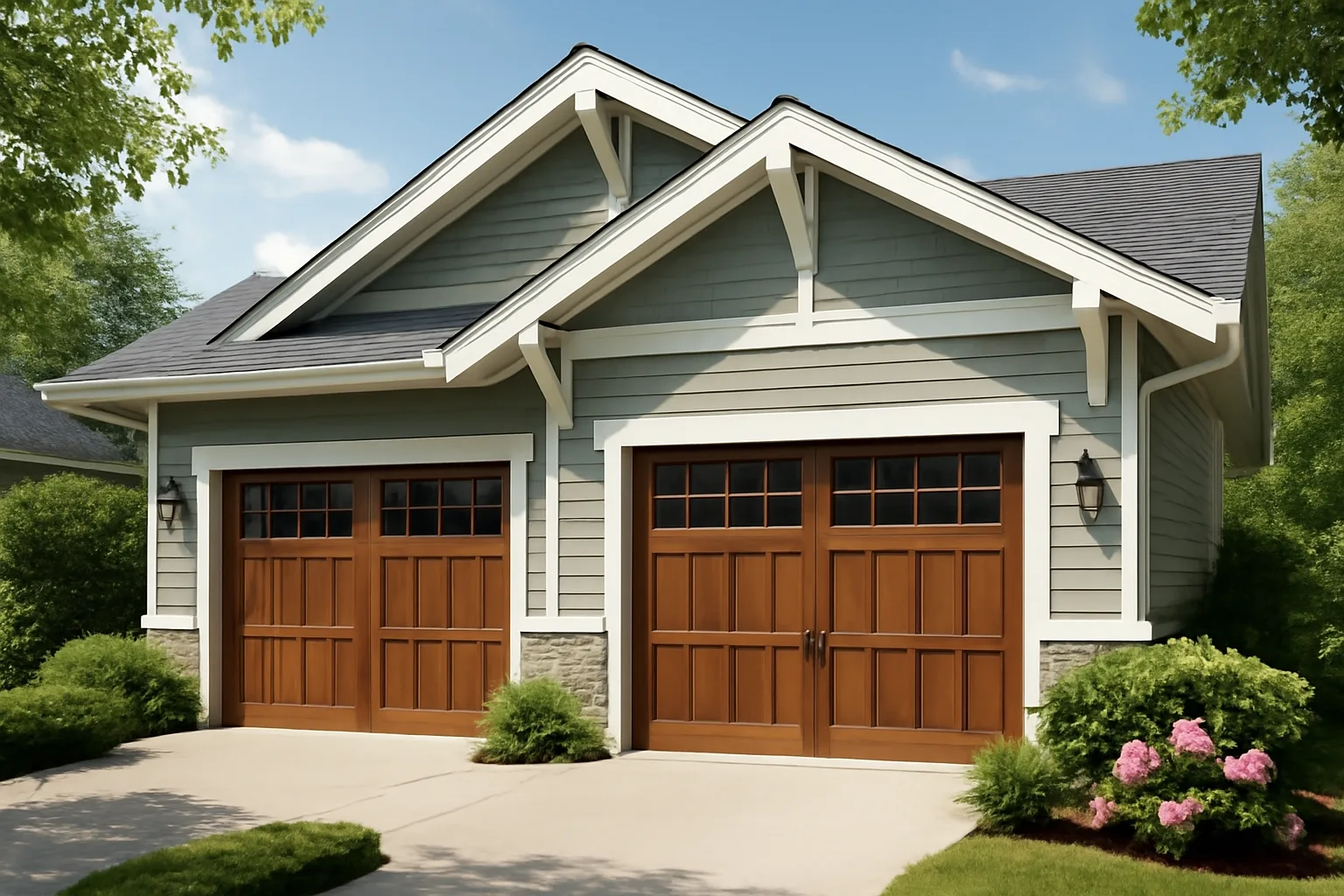
Does a new garage door add value?
A replacement door can improve appearance and function when the existing assembly is damaged or no longer meets your needs, but a particular resale gain cannot be promised. Compare the inspected repair scope with a replacement specification, including construction, hardware and operator compatibility, before deciding which serves the garage better.
The value of a new garage door starts with the problem you want it to solve. A damaged assembly, persistent operating trouble and a change in how the garage is used are different reasons to consider replacement. Appearance can matter too, but it does not establish a predictable return at a future sale. For an Ashland home, compare the practical result of a repair with the specification of a replacement before treating either as the automatic choice.
Identify what a repair would leave behind
A repair may be reasonable when the identified fault can be corrected and the remaining assembly is suitable. Ask what would be changed and which existing components would continue in use. If damaged sections or mounting conditions leave important limitations, have those explained rather than assuming a small hardware repair will resolve everything.
Likewise, several symptoms do not necessarily mean the entire door must be discarded. An operator problem and a door-structure problem are different questions. A replacement should be justified by the inspected condition or the features you need, not simply by the number of parts mentioned during the visit.
Price the specification you actually want
For an uninsulated single steel door, $720 to $1140 is the category shown on the price list here; insulation or a wider opening calls for a different comparison. The estimate should identify the construction, hardware and any operator changes. A bare new-door total makes it difficult to know whether you are comparing equivalent products.
Ask about removal of the old assembly, suitable lifting support and any work on the opening. Headroom and side space can influence the track layout. An operator that worked with the previous door still needs a compatibility assessment. Choosing to retain it should be an informed part of the proposal, not a silent omission from the quote.
Evaluate features in daily use
If quieter operation matters, discuss where sound comes from in the present assembly. A new operator alone will not address every roller or panel noise. If insulation is a priority, consider the surrounding enclosure and how the garage connects with the home. The door addresses one part of that space; it does not promise a particular energy saving.
Windows involve light and privacy choices. Connected controls involve compatible equipment and network access. A different panel style changes appearance without necessarily changing your daily access needs. Make those tradeoffs explicit so an attractive product does not distract from a practical requirement that remains unresolved.
Treat resale claims cautiously
A property sale depends on conditions well beyond the garage door. There is no fixed return figure established by the facts supplied for this Ashland site. It is more useful to understand whether the purchase solves the current issue and whether the quoted product fits the opening and your intended use.
Request a free written estimate and compare the described scope for each option. Keep the product details and applicable manufacturer documents if you proceed. Call (774) 332-7580 to explain the current condition and what you want to change. You can then decide from the repair findings and installation specification rather than a broad promise about what a future buyer might pay. Consider how you would use each feature in ordinary access to the garage. A specification that answers that question can be evaluated directly, even when any future resale effect remains uncertain.
The garage door installation page lists what that service includes and its price range.
Outside source: the CPSC's garage door safety notes.